Windows have long been a fundamental architectural element in buildings, serving not only as openings that connect the interior to the exterior but also as vital contributors to a building’s overall comfort, energy efficiency, and aesthetic appeal. Among their many functions, two of the most Window important are facilitating natural light and enabling ventilation. This blog post explores how windows influence these aspects, why they matter, and how thoughtful window design can improve the quality of indoor environments.
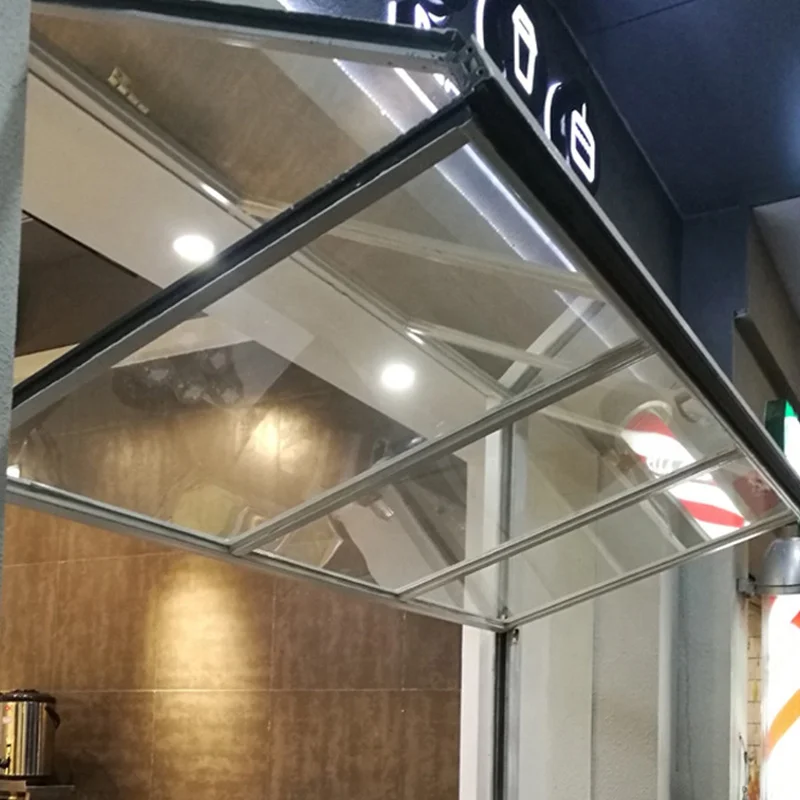
Windows as a Source of Natural Light
Natural light is arguably the most desirable form of illumination in any space. It offers numerous benefits, from enhancing mood and productivity to reducing energy consumption. Windows act as the gateway for sunlight, allowing daylight to penetrate rooms and create well-lit environments.
The amount and quality of natural light that windows bring inside depend on several factors, including their size, placement, glazing type, and orientation. Large windows or multiple smaller windows strategically placed on walls facing the sun can significantly increase the natural light entering a room. For instance, south-facing windows in the northern hemisphere capture maximum sunlight throughout the day, making spaces brighter and warmer.
Moreover, the choice of glazing affects light transmission. Modern windows often use low-emissivity (low-E) glass, which allows ample daylight to enter while minimizing heat gain and loss. This enhances comfort without sacrificing the benefits of natural light.
Beyond illumination, natural light affects human health and wellbeing. Exposure to daylight regulates circadian rhythms, helping to maintain healthy sleep patterns and boost mood. Spaces bathed in sunlight tend to feel more inviting and vibrant. In work environments, access to natural light has been linked to improved concentration and reduced eye strain.
However, windows must be designed thoughtfully to avoid excessive glare or overheating. Overexposure to direct sunlight can cause discomfort, fading of interior materials, and higher cooling loads in summer. Architectural elements like overhangs, louvers, or shades, combined with smart window positioning, help moderate the amount of natural light entering a building.
Windows as Vents for Natural Ventilation
In addition to bringing in light, windows are crucial for natural ventilation — the passive movement of fresh air through a building. Ventilation helps regulate indoor air quality, temperature, and humidity levels, making interiors healthier and more comfortable.
Windows facilitate cross-ventilation when placed opposite or adjacent to one another, creating airflow that flushes out stale indoor air and brings in fresh air. This natural air exchange reduces reliance on mechanical ventilation systems, cutting down energy consumption and improving indoor air quality.
The design of windows affects ventilation efficiency. Operable windows that can open widely and be adjusted to different angles allow occupants to control airflow based on weather conditions and personal preferences. Certain window types, like casement windows that swing outward, can capture breezes more effectively than fixed or sliding windows.
Ventilation also depends on the size and placement of the windows relative to prevailing winds. Windows located higher on walls or near ceilings can facilitate the escape of warm air, while lower openings admit cooler air, establishing a natural convection cycle. This principle is often used in sustainable building designs to reduce the need for air conditioning.
Moreover, natural ventilation helps remove indoor pollutants and moisture, reducing the risk of mold growth and improving respiratory health. In densely populated or humid climates, this function becomes especially critical.
Balancing Light and Ventilation Needs
While windows contribute both to lighting and ventilation, their design must strike a balance between these sometimes competing needs. For example, a large window that floods a room with light may not always allow adequate airflow if it is fixed or difficult to open. Conversely, multiple small windows designed solely for ventilation might not provide enough daylight.
Architects and builders often use combinations of window types and placements to optimize both natural light and ventilation. For instance, a large fixed window paired with smaller operable vents can deliver bright interiors while maintaining good airflow. Skylights or clerestory windows can bring in daylight without sacrificing wall space for ventilation windows.
Building codes and sustainability standards increasingly emphasize this balance. Many green building certifications reward designs that maximize natural light while ensuring sufficient ventilation, reducing energy needs for artificial lighting and HVAC systems.
Impact on Energy Efficiency and Sustainability
Properly designed windows that enhance natural light and ventilation play a significant role in reducing energy consumption in buildings. By lowering the need for electric lighting during the day, windows cut down on electricity use. Meanwhile, natural ventilation reduces the demand for mechanical cooling and improves indoor air quality without energy-intensive systems.
This contributes to both environmental sustainability and occupant health. Buildings that rely more on passive design strategies like natural light and ventilation generally have a lower carbon footprint. They also create healthier indoor environments by minimizing exposure to pollutants generated by HVAC systems.
In many climates, window design is a critical part of passive solar architecture, where windows help capture heat in winter and promote cooling in summer. For example, south-facing windows with proper shading can provide warmth during cold months, while operable windows and shading devices can encourage cooling breezes in warmer seasons.
Challenges and Considerations
Despite their benefits, windows also pose challenges. Poorly designed windows can lead to excessive heat gain, glare, privacy concerns, and security issues. Additionally, improper sealing or low-quality frames can cause drafts and heat loss, negating energy savings.
Glazing technology has advanced significantly, with options like double or triple glazing, gas fills, and specialized coatings improving insulation and light transmission. Choosing the right type of window for a specific climate and building use is essential.
Furthermore, window maintenance impacts their effectiveness. Dirty or damaged windows reduce light penetration and may hinder proper ventilation. Regular upkeep is necessary to preserve performance.
Innovations in Window Design
Recent innovations are expanding the role of windows in natural light and ventilation. Smart windows with electrochromic glass can change tint based on sunlight intensity, reducing glare and heat gain dynamically. Automated window systems integrate sensors and controls to open or close windows for optimal ventilation without user intervention.
Designers are also exploring biophilic design principles, incorporating windows that frame views of nature to enhance wellbeing. Ventilation strategies now include combination windows that allow air filtration, improving indoor air quality while maintaining airflow.
Conclusion
Windows are more than just openings in walls; they are vital elements that shape the quality of indoor environments through natural light and ventilation. Thoughtful window design enhances comfort, health, energy efficiency, and sustainability. By understanding the role windows play in controlling daylight and airflow, architects, builders, and homeowners can create spaces that feel bright, airy, and welcoming, while minimizing environmental impact.
Embracing the power of windows in building design is a step toward more sustainable, healthy, and enjoyable living and working spaces. Whether through large sunlit rooms or refreshing cross-breezes, windows help connect us to the natural world and improve our daily experiences indoors.